
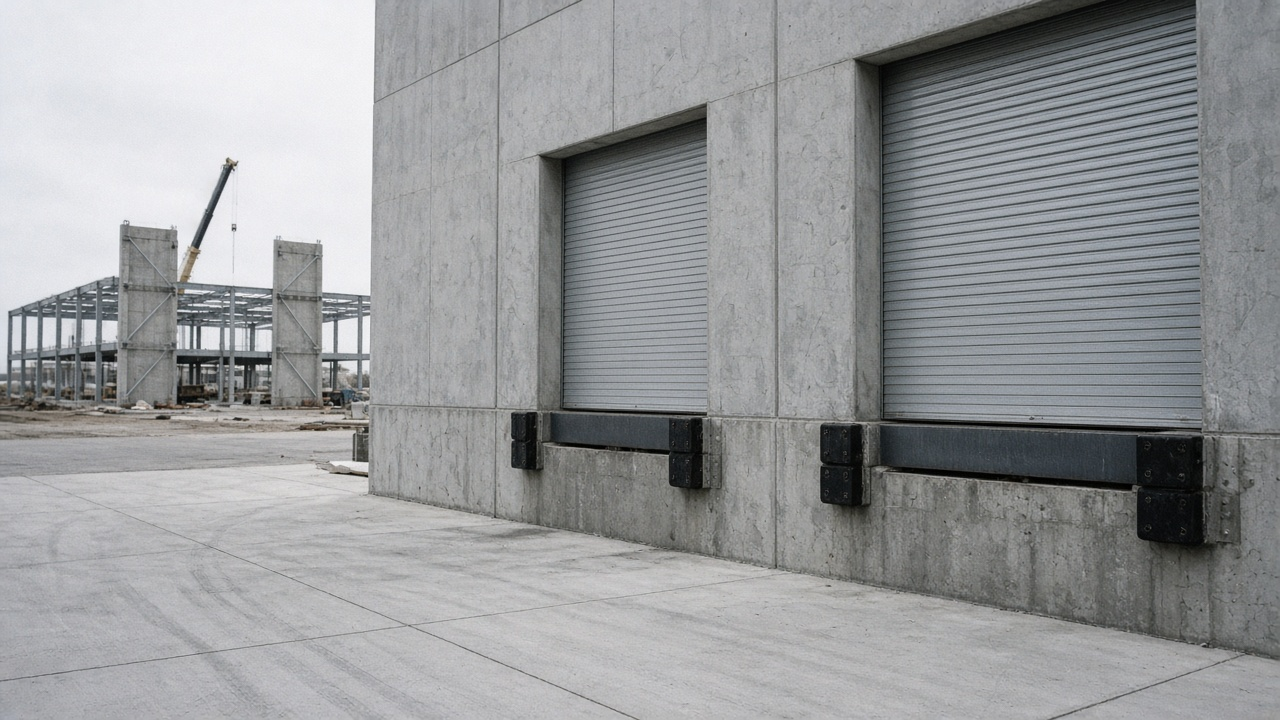
How we read Houston industrial data right now: net absorption, vacancy versus availability, sublease, the construction pipeline, and what it means for tenants and owners.
Houston industrial is one of the most reported markets in the country, and one of the most misread. Every quarter brings new absorption totals, vacancy rates, and construction counts, and the headlines follow. Here is how we read the numbers right now, and what we think they say.
The Short Version
In our read, the market has spent recent quarters digesting the wave of speculative big box space that delivered during the last building cycle. What we have been watching is demand that has generally held up, new starts well off their last peak, and vacancy that stays elevated in the largest bulk buildings while smaller and older product stays tighter. The direction we see is a market working through supply, not one losing tenants.
Net Absorption Is the Number That Counts
Gross absorption tallies every move in. Net absorption subtracts the move outs. A quarter with heavy gross leasing can still post weak net absorption if tenants are consolidating, relocating within the metro, or giving space back. We look for the net figure first.
Timing distorts the picture too. Absorption is usually counted at occupancy, not at signing, so a large lease can land a quarter or two after the deal is done. One quarter can look soft and the next like a surge with no real change in demand.
Vacancy, Availability, and Sublease
Vacancy measures space that is physically empty. Availability counts space being marketed, including space a tenant still occupies on the way out. Availability tends to turn first, so we treat it as the leading signal.
Sublease space is the other tell. Occupiers who overestimated their needs put space back on the market below direct rents, and it competes with landlords even though it often sits outside the headline vacancy rate. Rising sublease listings in big box product usually mean tenants are rightsizing.
The Pipeline Tells You Where Vacancy Is Headed
Construction starts today become deliveries a year or so out. When deliveries outpace net absorption, vacancy rises even if demand is healthy. That is the story of the last cycle: developers broke ground on large speculative buildings faster than tenants could fill them.
With starts pulled back, fewer new buildings are coming behind the current inventory. Build to suit projects make up a larger share of what is underway, and those arrive with a tenant attached. Speculative space is where the supply risk lives, and it is the line we check first.
Big Box and Small Bay Are Different Markets
Metro averages blend very different products. Large bulk distribution buildings carry most of the new supply and most of the vacancy swings. Small bay space, the kind service contractors, trade suppliers, and light manufacturers lease, has seen far less new construction and stays tighter. Our look at older Class B industrial covers why that inventory keeps leasing.
Geography splits the data further. The Southeast and the Port area track trade flows. Parts of the Northeast and Southwest have taken waves of new big box product. For the port side, see our ship channel industrial outlook.
Why the Quarterly Numbers Swing
One large move in or move out can swing a quarter, and so can a single big delivery. Sources track different building sizes and classes, so their figures rarely match. We compare a source against itself over time, the same discipline we used in our read on Houston retail vacancy and rent.
What It Means
- Tenants in big box space have options, especially with sublease and recently delivered spec buildings in the mix. Small bay users should expect less room to negotiate.
- Owners of newer bulk product should price for the competition that exists today, not the rents of the last tight cycle.
- Investors should underwrite lease up time on spec product with care and watch the slowdown in starts, which sets up a tighter market once current supply is absorbed.
Our View
Houston's industrial demand drivers are intact: the port, a growing population, energy and petrochemical supply chains, and the region's role as a distribution hub for Texas and the Gulf Coast. What the numbers show, in our read, is a market cycling through supply, not one losing its footing. We think the pullback in starts is the most important trend in the data right now, and it favors owners who can hold through lease up.
If you are weighing industrial space or an acquisition in Houston, talk with our team.
This article is general market commentary based on our own observations, not legal, tax, or investment advice. Market figures vary by source, definition, and period. Consult a qualified attorney and tax advisor about any specific property or transaction.