
How we read Houston retail vacancy and rent data: vacancy versus availability, asking versus effective rent, what drives trends, and what to ask of any report.
Every quarter brings a new Houston retail vacancy number, and every quarter it gets quoted as if it described one market. It does not. Houston retail is dozens of small markets stacked under one headline, and a single metro rate tells you little about the center you are leasing, buying, or holding. Here is how we read the data, and what we are seeing on the ground.
Start With the Definition
Vacancy and availability are different measures. Vacancy counts space that is empty. Availability also counts space that is being marketed, including suites still occupied by a tenant on the way out and space offered for sublease. When availability runs well ahead of vacancy, move-outs are usually coming.
Survey scope matters just as much. Two reports can disagree for no reason other than which buildings they track, whether owner-occupied and single-tenant net lease properties are counted, and where they draw the submarket lines. Treat any number as a measure of that survey, not of the whole city.
Asking Rent Is Not Effective Rent
Asking rent is the landlord's opening position. Effective rent is what the deal actually delivers after free rent, tenant improvement dollars, and who pays for what. A center quoting a firm base rate with generous concessions can cost less than one quoting a lower rate with none.
Occupancy cost is the other half. Base rent sits on top of common area charges, property taxes, and insurance, and those pass-throughs vary widely from center to center. Tenants often compare base rents and miss a larger gap in the pass-throughs.
Averages can also mislead. When a new, high-quality center delivers, the average asking rent can rise even though no existing tenant's rent moved. That is a change in mix, not pricing.
What Drives the Trend
Houston can add retail quickly, so supply discipline is the first variable. Absorption is the second, and it is uneven.
- Anchors: Grocery, pharmacy, medical, fitness, and everyday service tenants hold up best. Centers built around them keep traffic and keep leasing.
- Format: Neighborhood centers, strips, and power centers behave differently. A strip with no anchor depends on small shop tenants, who turn over faster.
- Age and quality: Newer centers with good parking, visibility, and a strong anchor pull tenants out of older ones. The older centers feel it first.
- Big box backfill: A vacated large box creates one big hole. Splitting it into smaller suites takes capital and time, so it can sit longer than expected.
What We See on the Ground
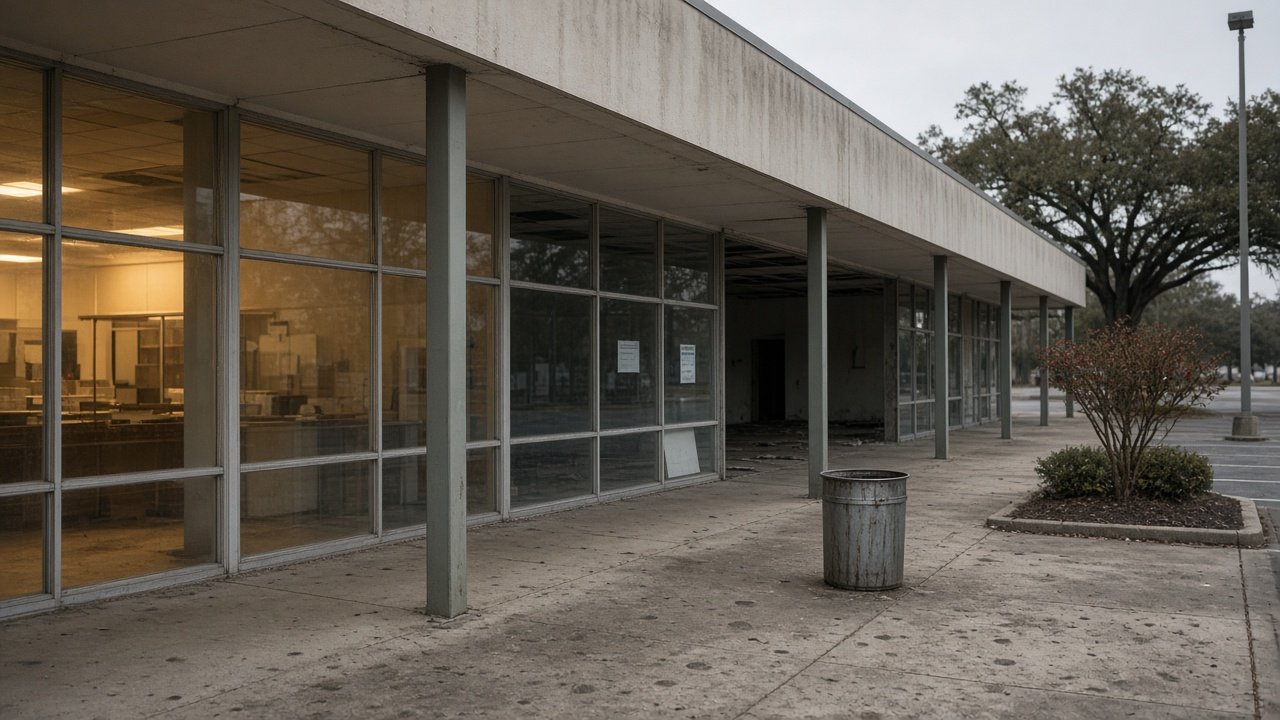
On our tours, the pattern is consistent. Well-located centers with a strong grocery or service anchor are staying full, and their owners are holding rents with fewer concessions. Older strips on secondary streets, with tired parking and deferred upkeep, are carrying vacancy and flat pricing.
Second-generation restaurant space is filling with medical, dental, fitness, and personal service users, who often sign longer terms. We also hear more tenants asking for shorter initial terms with renewal options, and more landlords trading rent for term. Along the major arterials, from Westheimer to Bissonnet to Richmond Avenue, the same block can show a full center next to a struggling one, which is why metro averages hide so much. These are our observations, not survey results.
Questions for Any Number You See
- Is this vacancy or availability, and does it include sublease?
- Which buildings does the survey track, and which does it leave out?
- Is the rent asking or effective, and is it base or full occupancy cost?
- Did the average move because rents changed, or because the mix of centers changed?
- When was the data collected, and by what method?
We walked through the vacancy versus availability gap in our read on downtown office vacancy and sublease, and our Energy Corridor field notes show how retail follows the daytime population.
What It Means
Landlords: Price the center, not the metro. Parking, upkeep, and tenant mix drive leasing more than the headline rate. Have a clear plan for any large box.
Tenants: Compare full occupancy cost and effective rent, ask for the pass-through history, and use a landlord's vacancy to negotiate where it exists.
Investors: Underwrite the specific center. Test rollover, anchor strength, and the cost to re-tenant. A cheap price on an aging strip can be expensive once you add the capital it needs.
If you are reading a retail report and want help separating the signal from the headline, talk with our team.
This article is general market commentary, not legal, tax, or investment advice. Consult qualified advisors about your specific property or lease.