
Lease commencement versus rent commencement, free rent and abatement, deferral, late delivery, front or back loading, and what a tenant should confirm in writing.
Most tenants focus on the base rent number and treat free rent as a bonus line below it. In practice, the dates around that line decide what you pay and when. Here is how rent commencement and free rent work in Houston commercial leases, in the order a deal usually unfolds.
Two Dates That Are Not the Same
The lease commencement date is when the lease term begins and the parties' obligations start. The rent commencement date is when the tenant begins paying rent. In many deals they are different dates, and the gap between them is the tenant's rent-free window.
Leases vary on what starts on the lease commencement date. In some, the tenant takes on insurance, utilities, and maintenance duties even though rent has not started. Read the definitions, because the lease controls, not the label.
What Free Rent Really Is
Free rent, often called abatement, is a period in which some or all of the rent is not owed. Two points trip people up.
- Base rent versus operating expenses: Base rent is the rate for the space. Operating expense pass throughs are the tenant's share of common area costs, property taxes, and insurance. A lease can abate only base rent, leaving the tenant to pay pass throughs during the free period, or it can abate both, and base rent only is a common outcome. Confirm which one you are getting.
- Abatement versus deferral: Abatement forgives the rent. Deferral only delays it, and the tenant owes it later, sometimes spread across the remaining term. Both feel like free rent on day one, and they are very different a year later.
The Build-Out Period and Early Access
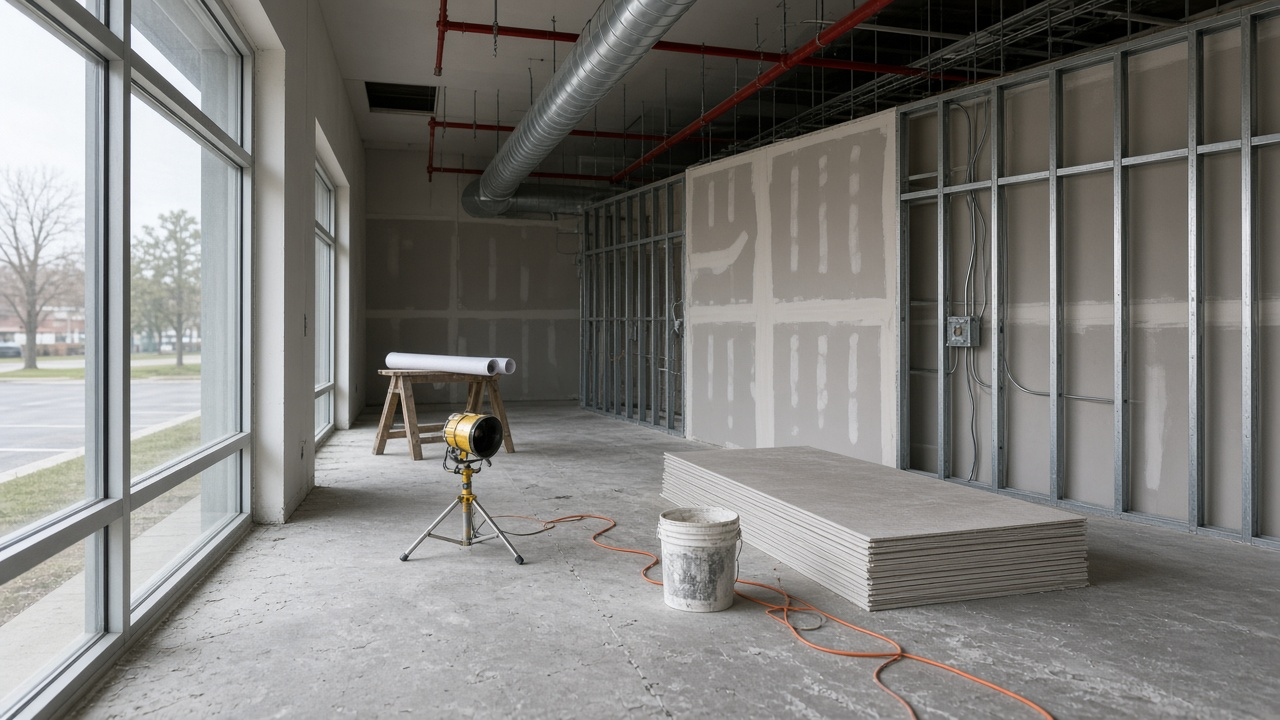
Free rent is often tied to the time a tenant needs to prepare the space. That time is the build-out period: design, permitting, construction, inspections, and move-in. A tenant improvement allowance, the money a landlord contributes toward that work, is a separate concession, negotiated and documented separately. A tenant can receive one without the other.
Early access lets a tenant enter before the term starts to install cabling, fixtures, and equipment. Landlords often condition it on insurance, and the lease should say whether rent starts on entry or stays on schedule.
Scope drives the timeline, whether the space is office, retail, or industrial. A shell that needs everything takes longer than a second-generation suite that needs paint and a few walls. Houston adds its own variables: permit and inspection timing, utility connections, and a Gulf Coast storm season that can slow a project.
How the Start Date Gets Set
There are a few common ways to fix the rent commencement date, and each puts the risk in a different place.
- A fixed date: Simple and predictable, but it can start rent before the space is ready if work slips.
- A set time after delivery: Rent starts a stated period after the landlord delivers the space. This follows the landlord's performance and protects the tenant if delivery slips.
- Opening for business: Common in retail, where rent starts when the tenant opens or after a set outside date, whichever comes first. The outside date keeps a slow tenant from delaying rent without limit.
- Substantial completion or certificate of occupancy: Rent starts when the space reaches a defined stage. The definition matters, because a dispute over what "complete" means can land in the middle of a build-out.
Many leases move the date earlier if the tenant causes a delay, such as late plans or slow approvals. That is often called tenant delay. A tenant should ask for a clear list of what counts, and for notice before any day is charged to it.
If the Landlord Delivers Late
Delivery dates slip, especially when the landlord is building the improvements or the prior tenant is still moving out. Leases handle late delivery in different ways.
- Rent commencement moves day for day with the delay, which works when rent is tied to delivery.
- Extra free rent as a credit for each day of delay.
- A termination right if delivery passes a stated outside date, which matters when a tenant has a hard stop on its current space.
If the lease is silent, the tenant may be left with a general argument and no clear remedy. We want delivery and its consequences written down before signing. A related risk sits at the other end of the term. A tenant that runs past its expiration without a plan can face holdover charges, which we covered in how holdover provisions work in Houston commercial leases.
Burning Off Free Rent: Front or Back
Free rent can be placed at the front of the term, the back, or spread across it.
Front-loaded free rent is a common structure. It overlaps the build-out, so the tenant is not paying rent on space it cannot yet operate in.
Back-loaded free rent sits at the end of the term. Some landlords prefer it because it keeps rent flowing early and rewards a tenant who stays. The tenant carries the risk here. If the tenant leaves early or defaults, the unused free rent is usually gone, and the lease may let the landlord recover free rent that was already given.
Spread free rent is a month here and there across the term, giving the tenant relief at set intervals.
That recovery language deserves attention. Some leases say that if the tenant defaults, the forgiven rent becomes due. Ask when that applies and whether it shrinks as the term goes on.
Effective Rent and Who Wins
Free rent changes the effective rent without changing the face rate. Effective rent is the average cost to the tenant after concessions are spread across the whole term. A landlord who gives free rent can hold a higher stated rate, which can matter to lenders and buyers. We touched on the gap between asking and effective rent in our look at Houston retail vacancy and rent.
The length of the term matters. The same free period spread over a short term costs the landlord more per month of occupancy than it does over a long term. That is why landlords often tie larger concessions to longer commitments.
How to Negotiate It
- Know what you are trading. Free rent is often a swap for term, a higher base rate, or a smaller allowance.
- Tie the start date to delivery and defined work, not a calendar date alone.
- Ask that pass throughs be abated if you can, or at least understand the cost.
- Seek written protection for late delivery, with a credit and a termination right.
- Limit recovery of forgiven rent so it declines over time.
What to Confirm in Writing
- The lease commencement date and the rent commencement date, and how each is set.
- Whether the free period abates base rent only or pass throughs too.
- Whether the concession is abatement or deferral.
- How early access works and whether rent or other charges start on entry.
- What counts as delivery, completion, and tenant delay.
- The remedy if the landlord delivers late.
- When any forgiven rent can be reclaimed.
After the space is delivered, we suggest a short signed letter that records the actual dates. It prevents later arguments about when the term and the rent began and when they will end.
What It Means
Tenants: Treat free rent as a negotiated structure, not a gift. The dates, the trigger, and the fine print on recovery do more work than the headline number.
Landlords: Concessions work best when they match a real build-out. Clear definitions of delivery and tenant delay prevent disputes that cost more than the concession.
If you are weighing a lease proposal and want help reading the timeline, talk with our team.
This article is general information about commercial leasing, not legal, tax, or investment advice. Lease terms vary and outcomes depend on the exact language. Consult a qualified attorney about your specific lease.