
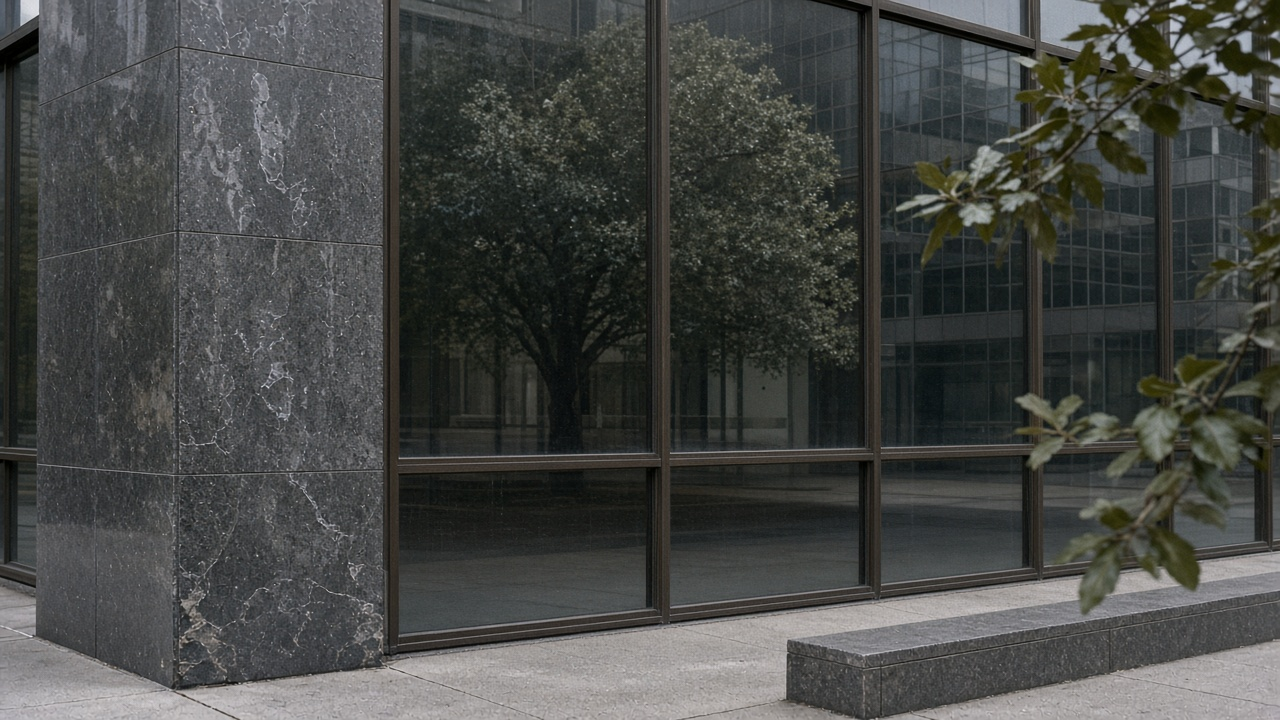
Field notes from Galleria/Uptown office tours: where the top of the market holds, where older buildings compete, and what tenants and owners should weigh now.
Galleria/Uptown is the Houston office submarket most people think they already understand. It has the skyline that shows up in every aerial shot west of Downtown, shopping and dining that pull visitors from across the region, and an address tenants have long used as shorthand for having arrived. Spend a few weeks touring it and the picture gets more interesting. These are our notes from recent tours, conversations with owners and tenant reps, and more time than we would like spent waiting at lights on Westheimer.
The Lay of the Land
The core of the submarket runs along Post Oak Boulevard between Westheimer and San Felipe, with the West Loop running along its eastern side and carrying most of the traffic in and out. North of San Felipe the office stock thins toward Woodway, with Memorial Park and Buffalo Bayou beyond. To the south, Richmond and Westpark lead toward the Southwest Freeway, where the product gets older and lower. Sage Road, McCue, and the side streets behind the boulevard hold a lot of mid-rise office that rarely makes the brochures but does a real share of the actual leasing.
That geography matters because Uptown is really a handful of micro markets sharing a name. A tenant touring the boulevard and a tenant touring the blocks near Richmond are usually shopping for very different things at very different occupancy costs, and they rarely cross paths.
The Top of the Market Is Still Competing Hard
The newest and best amenitized towers along the boulevard are where tours concentrate. Lobbies with real food, conference and fitness floors, garages that do not take forever to exit, and quick access to the West Loop are what tenants ask about first. In our experience those owners have held firmer on face rates than owners a few blocks over.
Concessions still do a lot of work at the top of the market, and the gap between asking and effective economics can be wide. Our piece on how rent commencement and free rent work walks through where that value hides, and it applies directly to the proposals we are seeing here.
The Middle Is Where the Real Work Is
The bigger story in Uptown is the broad band of older Class A and good Class B buildings from earlier development waves. What they often lack is the amenity package, the updated systems, and the parking experience the newest towers have taught tenants to expect.
Owners of that product are working through a familiar menu. Some are spending on lobby renovations, spec suites, and shared conference space to stay on the short list. Some are pricing to fill floors and accepting thinner returns. We think the buildings that win in this band are the ones whose owners pick a lane early and fund it fully. The half renovated building with a new lobby and original restrooms is the one we watch lose tours most often.
For tenants, this middle band is frequently the best value in the submarket. A well located older building with a motivated owner can deliver a quality suite at a meaningful discount to the boulevard.
Sublease Is the Shadow Supply
As in other Houston office submarkets, sublease space shapes Uptown more than headline figures suggest. Firms that consolidated or settled into hybrid schedules left built out, sometimes furnished floors with term remaining. For a tenant with a flexible horizon, that space can be the best deal available. For a direct landlord it is competition that never shows up in the asking rent conversation. The questions we push clients to ask are the same ones we raised in our read on downtown office vacancy and sublease: how much term is left, what consent rights the master landlord holds, and what happens when the sublease runs out.
Who Is Touring
Uptown's tenant base has always been broader than the energy heavy corridors to the west. Wealth management, private equity, law, accounting, real estate, and the service firms that support them make up much of the demand we see, along with regional offices that want a client facing address without a Downtown commute. That mix makes the submarket steadier than one tied to a single sector, though not immune.
We also see tenants trade Uptown for nearby submarkets, and the reverse. Some users head west for easier parking and lower occupancy cost. Others come in from the west side because they want to be closer to clients and to the restaurants and retail the submarket offers. Our Energy Corridor submarket report covers the other side of that trade.
Traffic, Parking, and Water Still Matter
No conversation about Uptown goes far without traffic. The West Loop interchanges, holiday backups on Westheimer, and the wait to get out of a large garage at the end of the day are real factors in how employees feel about a building. Parking ratio and garage design now come up on tours as often as floor plates do.
Water deserves the same attention. Parts of the area sit near Buffalo Bayou and its tributaries, and some streets and garages have taken water in major storms. Tenants and buyers should check the current flood maps, ask about a building's storm history, and find out where critical electrical and mechanical equipment sits before they sign anything.
What We Would Tell a Client This Week
- Tenants with an upcoming expiration should start early. The best blocks on the boulevard tend not to stay available long, and time is the tenant's best negotiating tool.
- Tenants open to the middle band should tour it seriously. The value is often there if the owner has the capital to stay competitive.
- Owners of older product should decide whether they are repositioning or pricing to fill, and then commit.
- Buyers should underwrite each building's competitive position block by block, not the submarket average, and review its property tax history with the appraisal district, since office valuations have been contested ground.
Our View
Uptown is not one market. The top holds, the middle rewards owners who commit and tenants who look closely, and the edges depend on price. In our view the submarket's core strengths are intact: its location between the inner loop and the west side, its retail and dining, and a tenant base that is more diversified than most of Houston. What has changed is that the address alone no longer fills a building. Product, parking, and an owner willing to compete now decide who leases and who waits.
If you are weighing space in Uptown or own a building there, talk with our team.
This article is general market commentary based on our own observations, not legal, tax, or investment advice. Lease terms, sublease rights, flood exposure, and property tax treatment vary by building and by document. Consult a qualified attorney and tax advisor about any specific property.